

3. Socio-economic drivers
Population and economic development levels exert profound influences on the capacity to mitigate and adapt to climate change (O’Neill et al., 2014). Demographic change and economic growth are the key determinants of future energy demand in the RMC model, and are exogenous to the model.
3.1. Population
The demographic change for each region is calculated with reference to the projection from Chen et al and the United Nations World Population Prospects(Chen et al., 2020; UN DESA/Population Division, 2024). Chen et al estimated China’s provincial population from 2010 to 2100 by age (0 to above 100), sex (male/female), and educational levels (illiterate, primary school, junior-high school, senior-high school, college, bachelor’s, and master’s and above) under five shared socioeconomic pathways (SSP1-5). Our study uses the SSP2 projection as the benchmark, which represents an intermediate path where future development follows the historical pattern(O’Neill et al., 2017). As the projection from Chen et al. starts in 2010 and does not include the latest trend, the data from the National Bureau of Statistics (NBS) and the demographic projection for the whole country from UN World Population Prospects are used to calibrate and update the province-level projections. The results show that China’s national population peaks at 1.4 billion people in 2021, and slowly declines thereafter, falling to 631 million by the end of the century. Fig. 3-1 shows the calibrated population change for each region in the model. Aligning with the original results from (Chen et al., 2020), the calibrated demographic results differentiate between rural and urban demographics and additionally take into account varying household income levels and energy consumption structures.
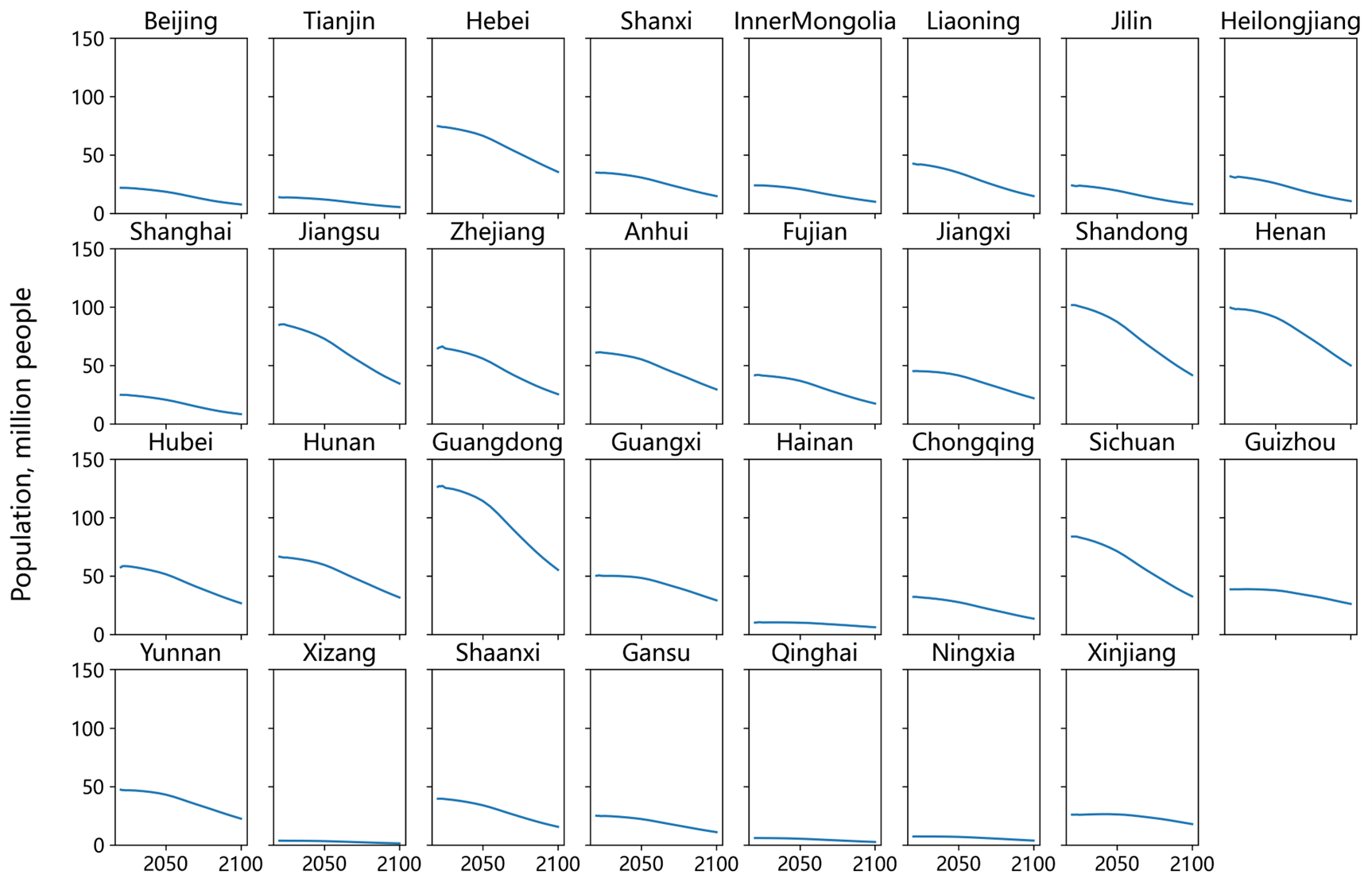
Fig. 3-1: Provincial trends of total population in China from 2020 to 2100.
3.2. Economic growth
The future economic growth at the provincial level used in the model is obtained from the GDP projections from relevant literature (Bai and Zhang, 2017; Leimbach et al., 2017; Christensen, Gillingham and Nordhaus, 2018; Pan et al., 2020; Jing et al., 2022; Yang et al., 2024). The changes in GDP per capita in each region can be further derived from the projections of population and GDP. The average income is projected to grow by a factor and exceed 100 thousand USD/capita by the end of the century. Fig. 3-2 and Fig. 3-3 depict a future of progress where the provinces achieve significant economic growth, with incomplete economic convergence across different regions.
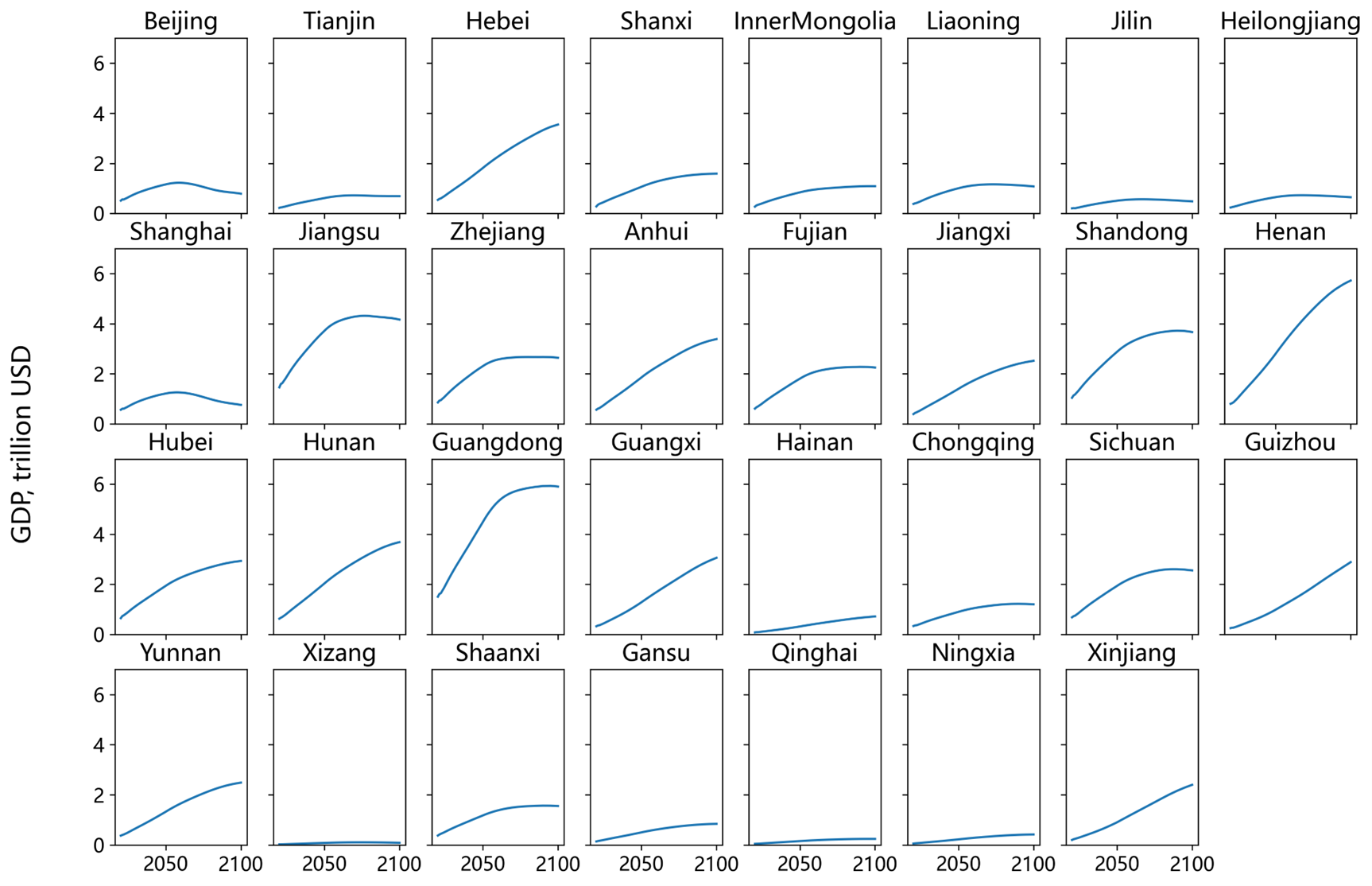
Fig. 3-2: Provincial trends of GDP in China from 2020 to 2100.
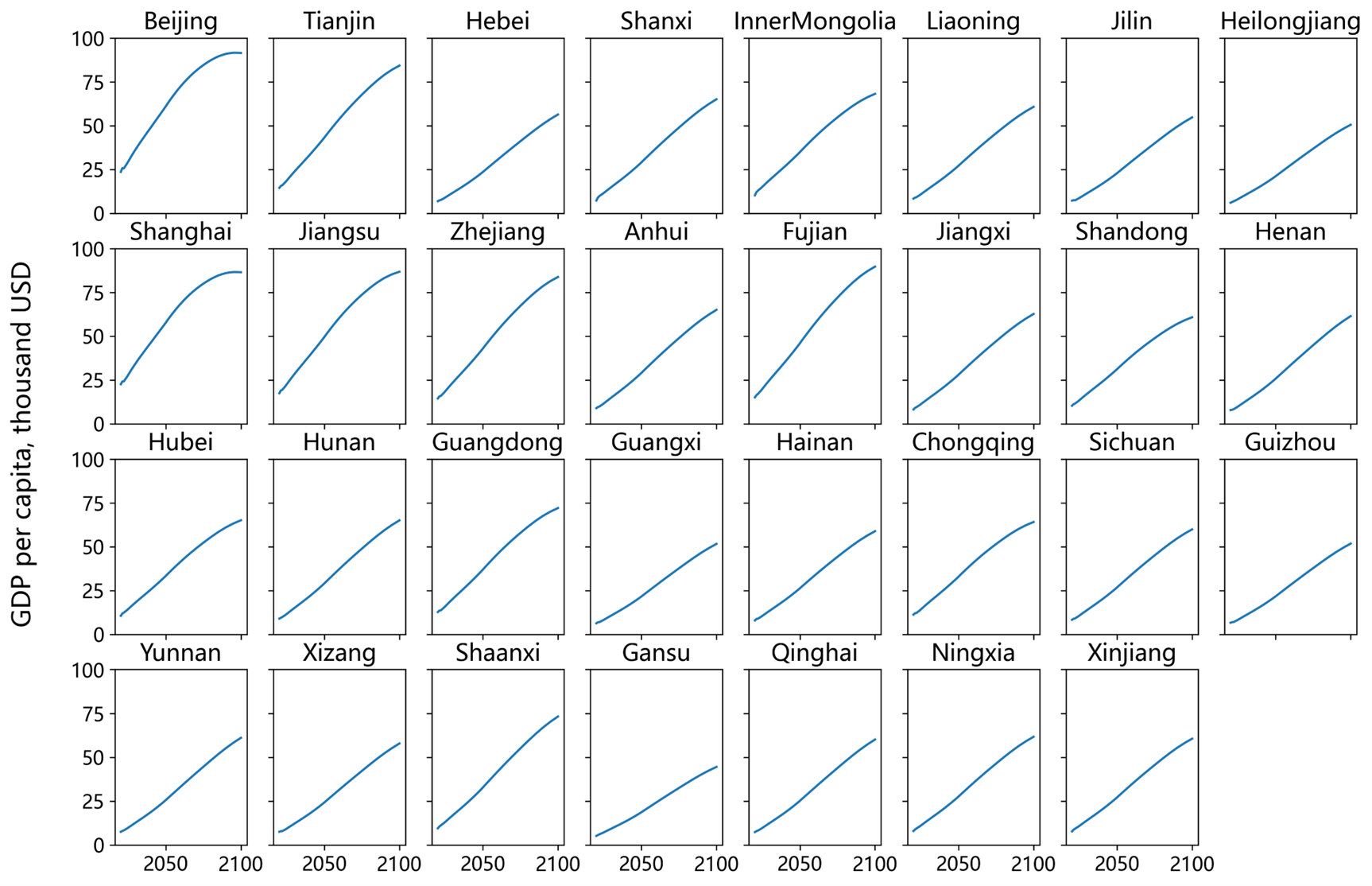
Fig. 3-3: Provincial trends of GDP per capita in China from 2020 to 2100.